
DEPRESSION
We often confuse depression with sadness but sadness is merely an emotion and depression is something very deep. Depression is known as a mood disorder, in which sadness is a very common symptom, however, it is the persistent sadness that can cause depression. It is also known by the term major depressive disorder or clinical depression.
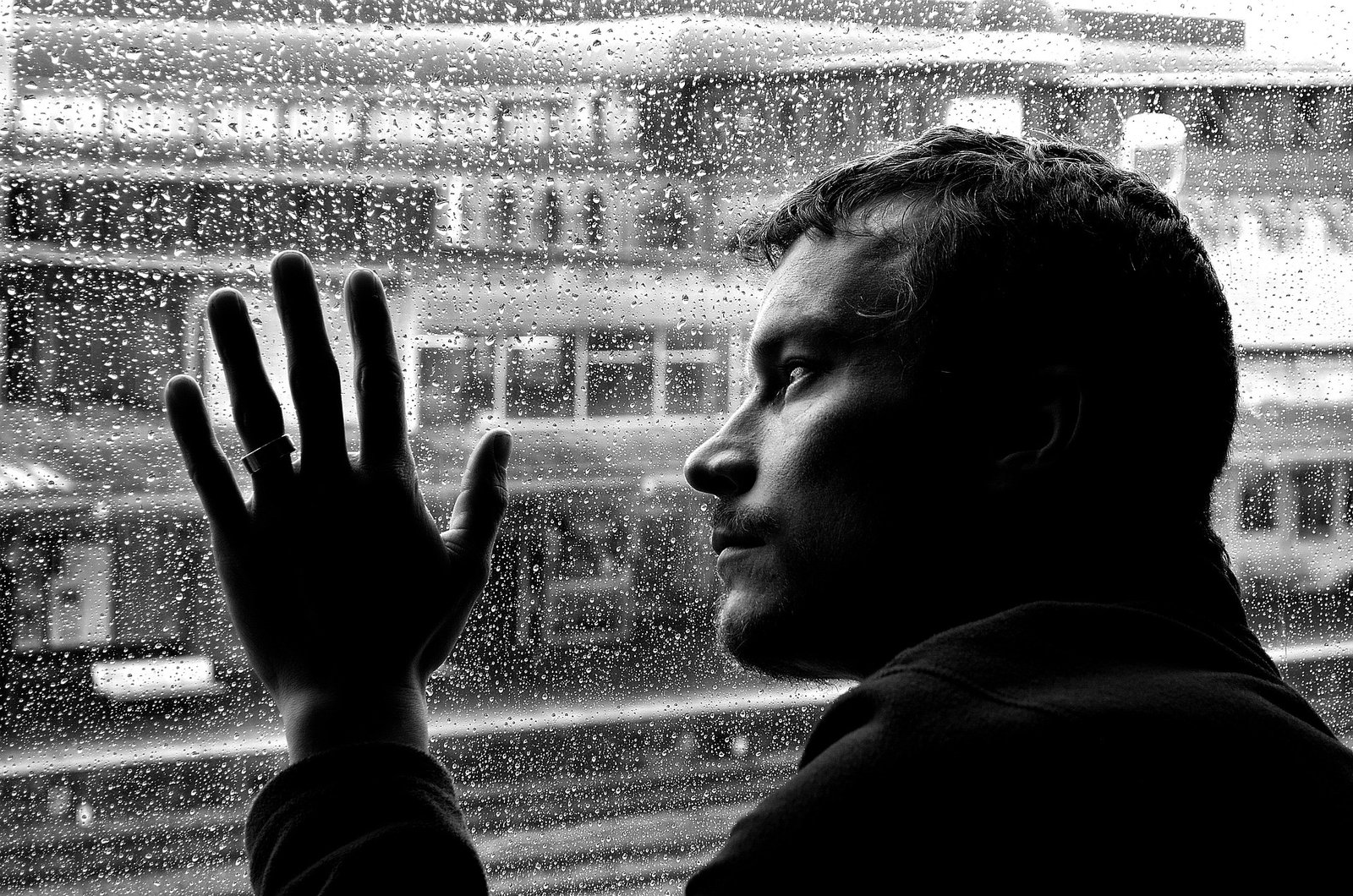
Other than persistent feelings of sadness, loss of interest in leisure activities, loss of appetite, feelings of helplessness, hopelessness and worthlessness are there in depression. People find it difficult to work, have problems in concentration, in interpersonal relationships and in their overall productivity.
Depression can even happen without any change in the circumstances and it is an ongoing problem which needs to be persistent for at least 2 weeks.
Signs and Symptoms:
Since each person is different, we may assume that not everyone will have the same symptoms. However, the typical symptoms and indicators are as follows:
- Persistent low mood
- Feelings of being helpless and that nobody can help us
- No hope of getting better
- Feelings of being worthless and there is no need to be alive
- Starts questioning to self and the decisions made
- Lack of interest in the activities which used to be pleasurable earlier
- Losing track of time
- Finding difficulty in completing tasks on time
- Difficulty in falling asleep or sleeping too much
- Persistent complaints of body pain
Causes:
There is no one specific reason why depression occurs; it may start after a traumatic occurrence or a sad situation like losing someone, but it can also start for no apparent reason.
The following factors are significant-
- Biological factors (genetic)- If there is a history in the family with psychiatric disorder
- Upbringing of the child and his Personality- Attachment style, esteem and insecurities lead to the vulnerability
- Exposure to early childhood trauma and stressful situations
- Environmental factors- Social and cultural support are as much important as family support
- Brain chemistry
- Use of alcohol or any other psychoactive substances
Treatment
Medications:
People try and avoid psychiatric medications as they think that it is going to affect their brain, however, it’s a complete myth. The first and most important step in getting oneself out of depression is to speak with a specialist and use medication. Doctors most frequently recommend SSRIs and SNRIs.
Psychotherapy:
Psychotherapy is frequently referred to as “talk therapy,” but it is much more than that. People frequently mistake it for simple chatting or venting. In order for psychotherapy to be successful, both the client and the therapist must be committed to the process. Psychotherapy is regarded as a secure environment where one can express their inner difficulties without fear of rejection and learn to deal with them. For quicker outcomes, it is sometimes used with antidepressants; nevertheless, after receiving long-term therapy, many people no longer require medication.