
Caregiver Burden
An exhausted state of mind, body, and emotions of a person who cares for an ill, disabled or elder member is known as caregiver burnout. It might come with a shift in perspective, from one that is caring and optimistic to one that is pessimistic and uncaring. Caregiver burnout can happen if they don’t get the support they require or if they try to take on more than they can handle.
In addition, a lot of carers feel guilty if they choose to take care of themselves rather than their sick or ageing loved ones. Fatigue, worry, anxiety, and despair are common symptoms of “burned out” caregivers.
Causes
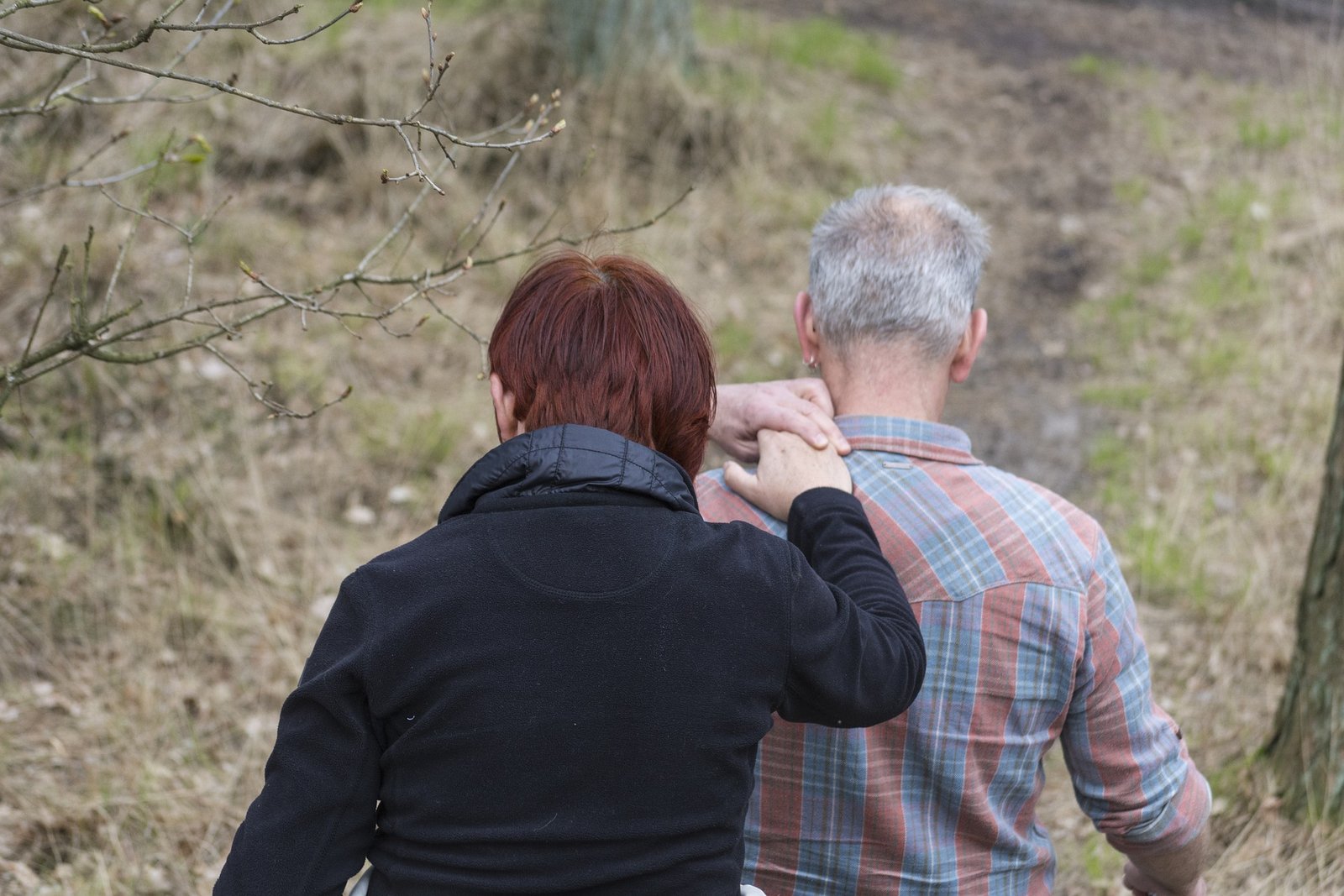
Oftentimes, caregivers are so preoccupied with taking care of others that they overlook their own wellbeing. The physical, mental, and emotional demands on a caregiver can easily feel too much, which can result in exhaustion, hopelessness, and ultimately burnout.
Here are some of the factors which may contribute to the burnout:
- Lack of finances is one of the major factor, it becomes the barrier for the caregiver to manage the resources and ultimately leads to frustration
- Lack of knowledge of the patient’s illness, his treatment and slow progress of the patient also leads to frustration
- Many times caregivers’ expectations also contribute as they expect to be a positive impact in the patient’s life and feel that their presence can heal the patient. But unfortunately this is not the case with chronic patients like Schizophrenia or Alzheimer’s
- Sometimes a caregiver gets confused with his/her role and fluctuates between being a caregiver to mother/spouse/children
- When the caregivers tend to forget or neglect their own health and continue focusing on the patient, this is when they start becoming more pessimistic
Symptoms
The signs of caregiver burnout are similar to those of stress and depression:
- Lack of interest in leisure activities
- Frustration and anger
- Self-harm tendencies
- Compromised immunity because of neglecting self
- Helplessness and Hopelessness
- Crying spells
How to Prevent Caregiver Burnout?
Psychoeducation
In order to work on the burden a caregiver carries, he needs to have proper psychoeducation about the illness of the patient, treatment process and his prognosis. It gives the required awareness and acceptance after which the person acquires desired patience.
Supportive Counselling
Like chronic patients need support and caregivers are there for them, caregivers also need support from a professional. They also need a channel to let out their frustration and anger which has been built in.